From Panic to Power: A Student’s Journey Through First Aid Training
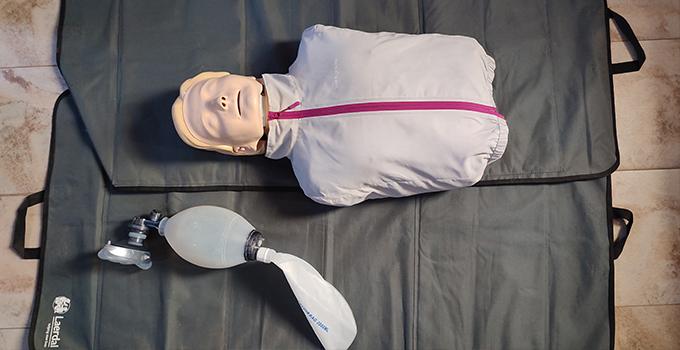
In an engaging reflection on the impact of practical skills training, Zita Abisha Asare, a 3rd year student majoring in Visual Communication Design at the Department, shares how first aid education transformed her response to emergency situations, from panic to preparedness.
Q: Can you describe how you would have reacted to an emergency situation before this training?
A: Honestly, I would have panicked. I remember imagining myself alone in a room with an unconscious person—almost breathless. I wouldn’t have known what to do. I might have tried to check for a heartbeat, but the fear and tension would have overwhelmed me. In that state, I could have easily made the situation worse or even collapsed myself. That was my reality before this training.
Q: What has changed since undergoing the first aid training?
A: Everything. Today, I can confidently say I am a trained first aid responder. The first things that come to mind in an emergency are: “Stay calm, stay safe, and call for help.” These principles guide my actions now. Staying calm helps me think clearly, staying safe ensures I don’t become another victim, and calling for help reminds me that emergencies should never be handled alone.
Q: What did the training involve?
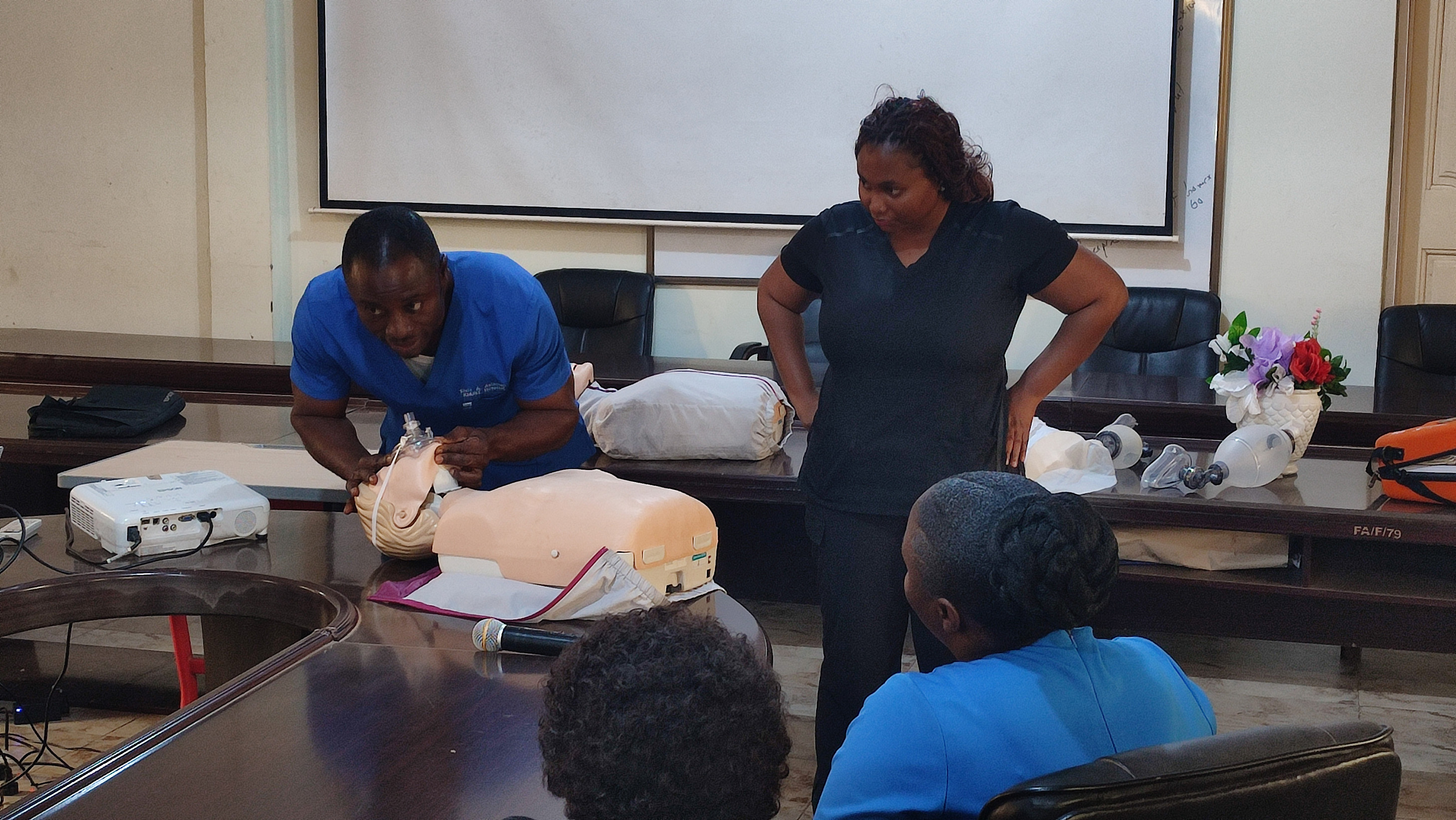
A: The training had two main components: theory and practical sessions. The theoretical part was very interactive. We learned to identify signs of serious conditions like stroke, heart attacks, and choking, and what immediate actions to take. We also covered how to manage burns, fractures, and severe bleeding. It was comprehensive and eye-opening.
Q: How important was the practical aspect of the training?
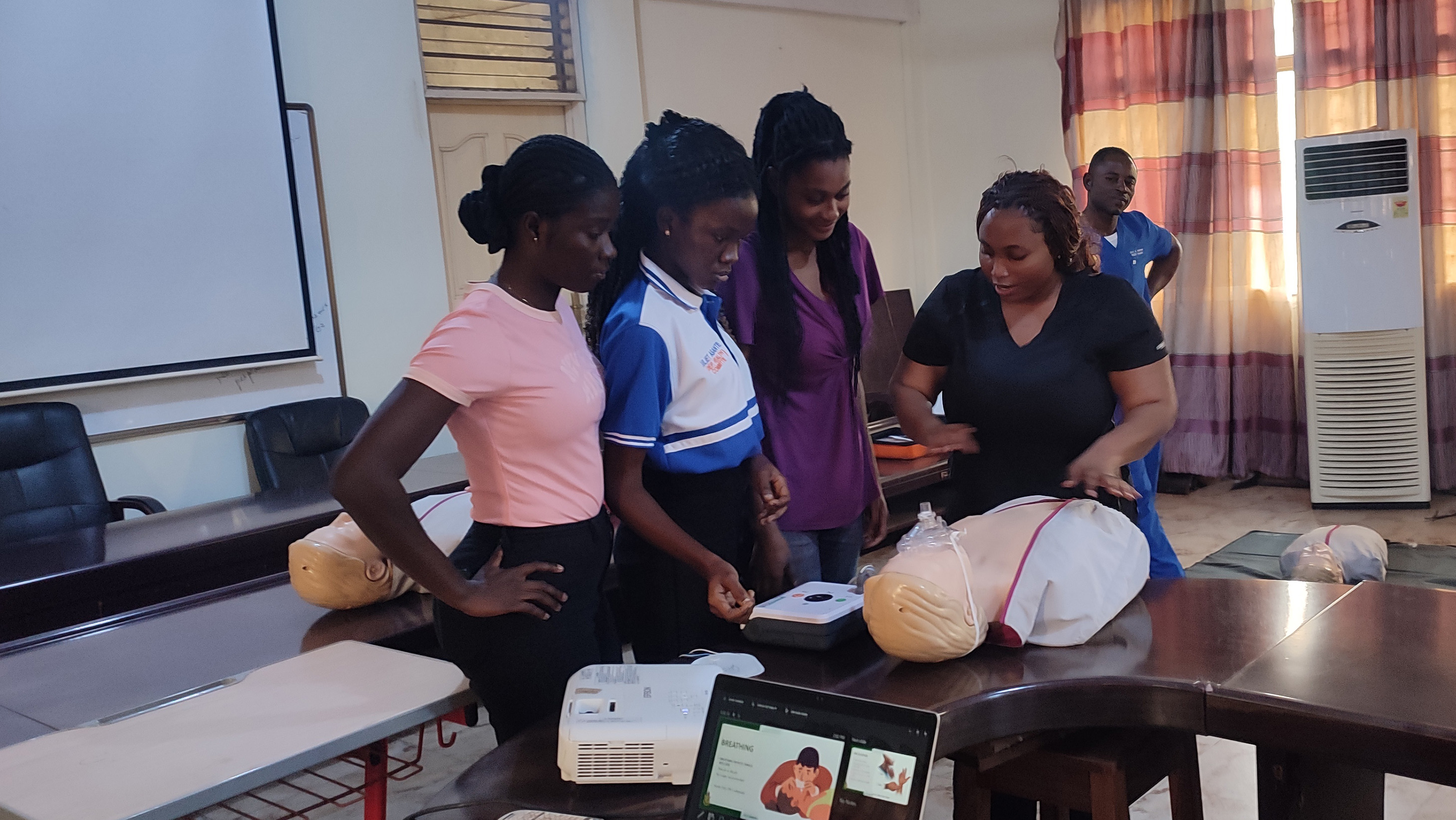
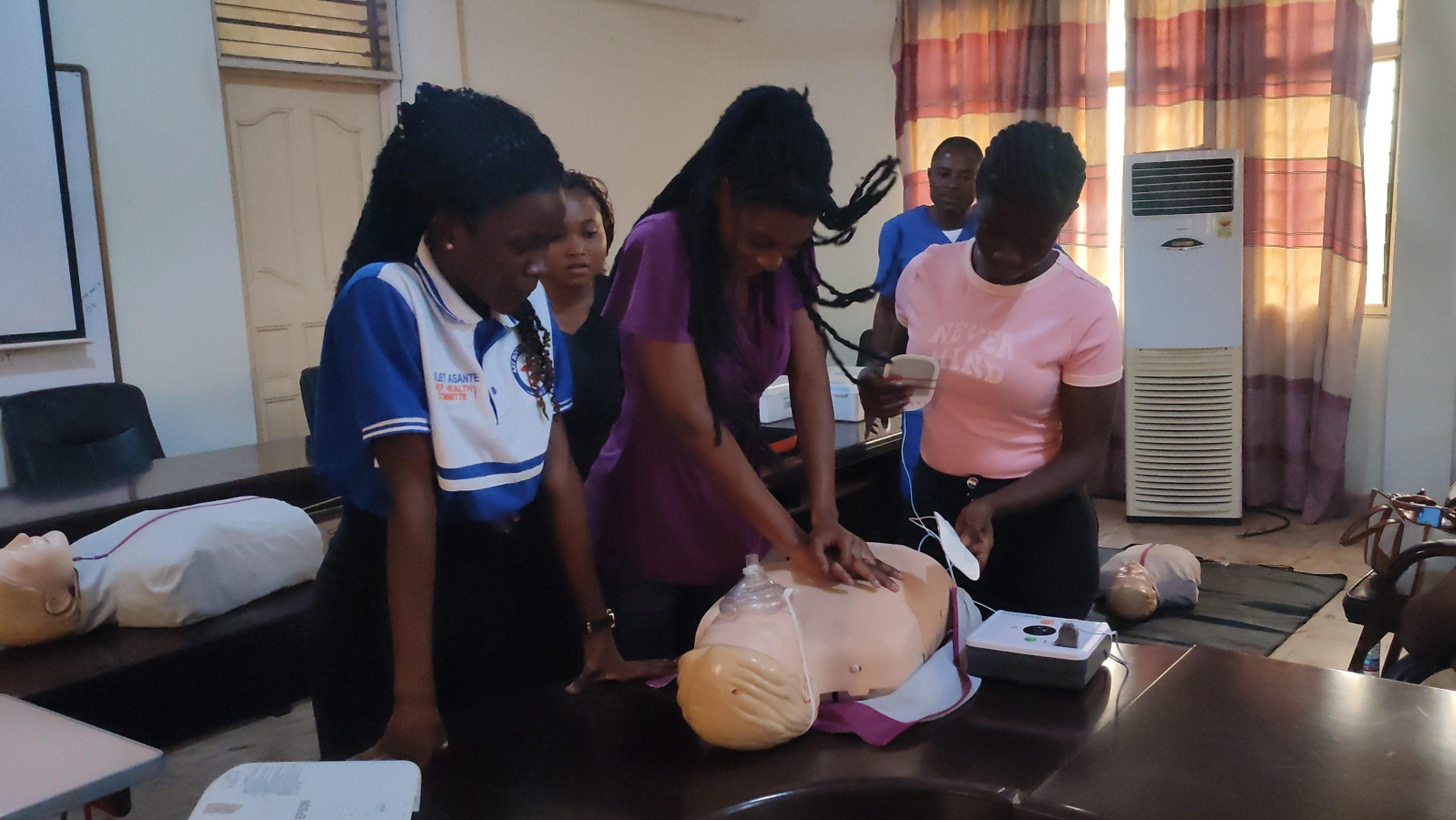
A: Extremely important. The second session focused on hands-on practice, especially CPR (cardiopulmonary resuscitation). We were taught the correct posture and technique, and how to assess a victim using the ABC approach - Airway, Breathing, and Circulation. Within about 10 seconds of checking these signs, if there’s no response, you begin chest compressions at a rate of 100 to 120 per minute.
Q: Were there any memorable techniques used during the training?
A: Yes, actually. To maintain the correct rhythm for chest compressions, we were taught to follow the beat of songs like “Stayin’ Alive” or even local tunes like “Odoyewu.” It sounds funny, but it really works and makes the technique easier to remember under pressure.
Q: How has this experience impacted you personally?
A: It has completely changed my perspective. I now understand that in emergencies, every second counts. Before, I felt helpless. Now, I feel empowered. I even find myself sharing this knowledge with others because first aid is not just a skill—it’s the ability to save a life.
Q: What message would you like others to take away from your experience?
A: Learn first aid. It’s essential. You may never know when you’ll need it, but when you do, it could make the difference between life and death. Most importantly, always remember: stay calm, stay safe, and call for help.
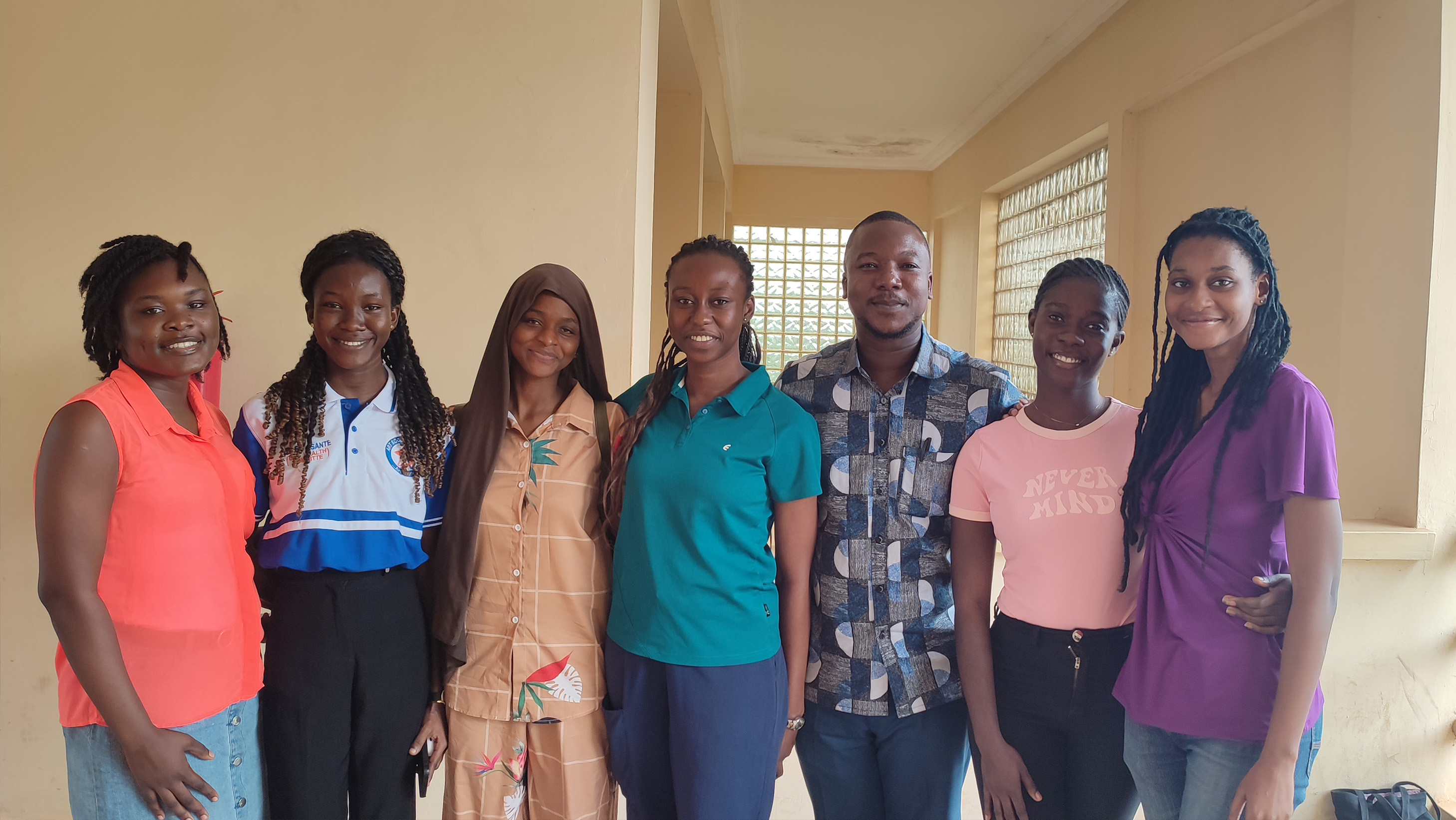
This reflection underscores the critical importance of first aid education within the university environment. By equipping students with practical, life-saving skills, such training initiatives not only enhance individual confidence but also strengthen collective responsibility for safety on campus. As demonstrated by Zita, preparedness can transform uncertainty into decisive action. The Department encourages more students to take advantage of such opportunities, reinforcing the idea that timely intervention, guided by the principles of calmness, safety, and collaboration, can make a life-saving difference.