DeCoDe Participates in Pan Afrikan Design Week (PADW) 2026
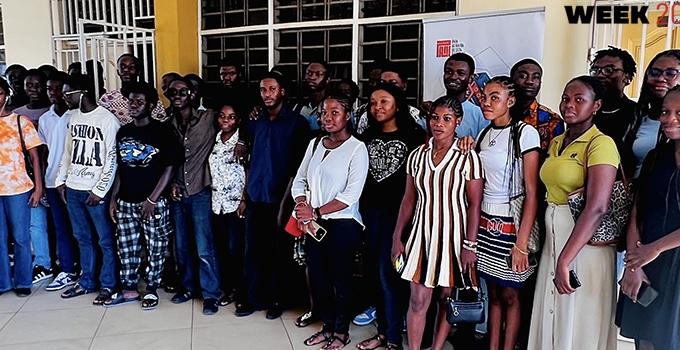
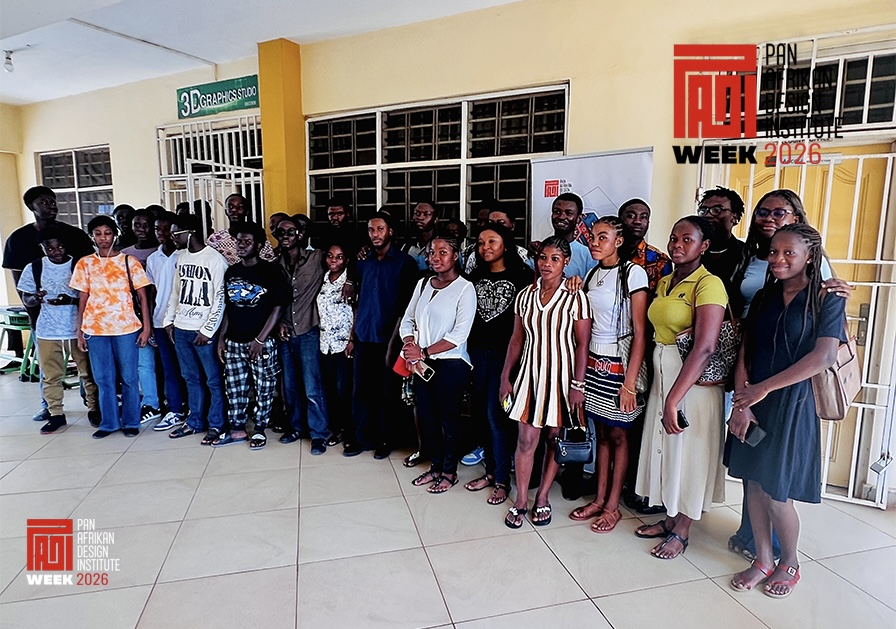
The Department of Communication Design (DeCoDe) at the Kwame Nkrumah University of Science and Technology (KNUST), Ghana, participated in the 2026 edition of Pan Afrikan Design Week (PADW2026). The programme was held from 21 to 23 October 2026 and livestreamed from Cape Town, South Africa. The department’s participation was led by Dr. John Opuni Amankwa, alongside DeCoDe students and lecturers, including Dr. Ralitsa Diana Debrah and Dr. Benjamin Prempeh.
The three-day programme focused on two questions: “How Do We Design to Thrive?” and “Who Gets to Design the Future?” The questions opened up conversations on the role of design in shaping Africa’s future and how designers can use creativity to respond to societal challenges.
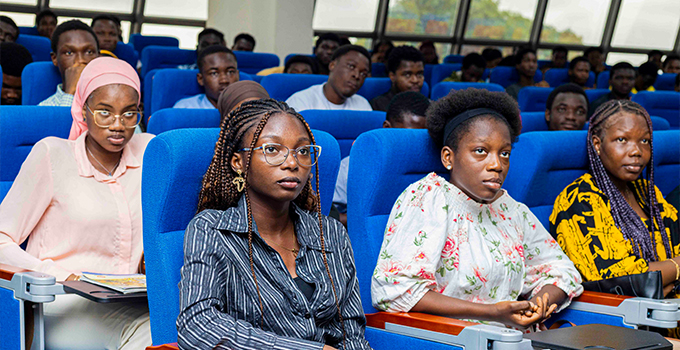
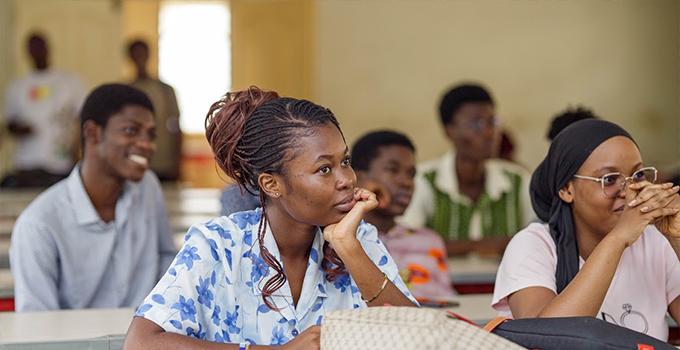
To make participation possible, Dr. John Opuni Amankwa, Dr. Ralitsa Diana Debrah and Dr. Benjamin Prempeh worked together to ensure students could access the livestream and take part in the programme. Students followed the sessions, shared their views in interactive activities, and asked questions during the Q&A. It gave them a chance to engage with ideas outside their usual classroom setting.
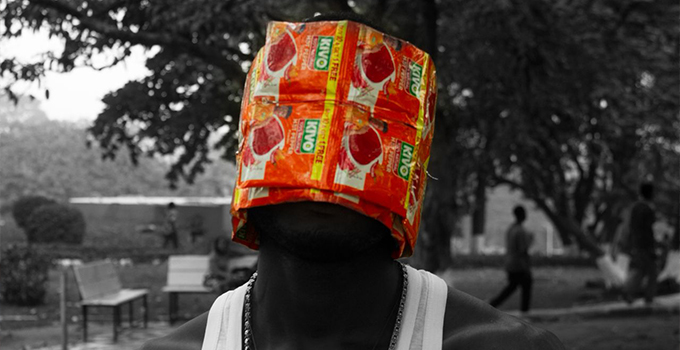
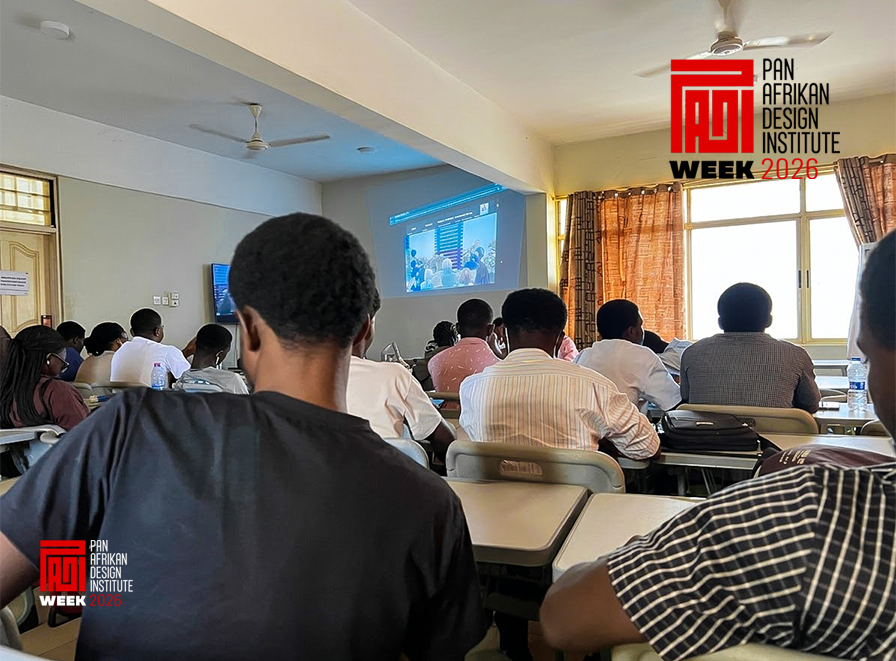 One insight that stood out was when a speaker spoke about looking beyond screens for inspiration. He encouraged creatives to look around them and to read more, to understand how other authors think and see the world. It was a reminder that observation and reading can help expand how we think creatively and design with more meaning.
The point was that creativity should not be limited to digital tools alone. Emerging designers were encouraged to stay curious, pay attention to everyday life, and learn from their environment. Creativity grows not only through technology, but also through observation and continuous learning.
The programme also highlighted that communication design is not just about aesthetics. It is a tool for problem-solving, cultural expression, innovation and community development. For emerging designers, it means understanding who they design for, the social and cultural context of their work, and how to create solutions that meet real needs.
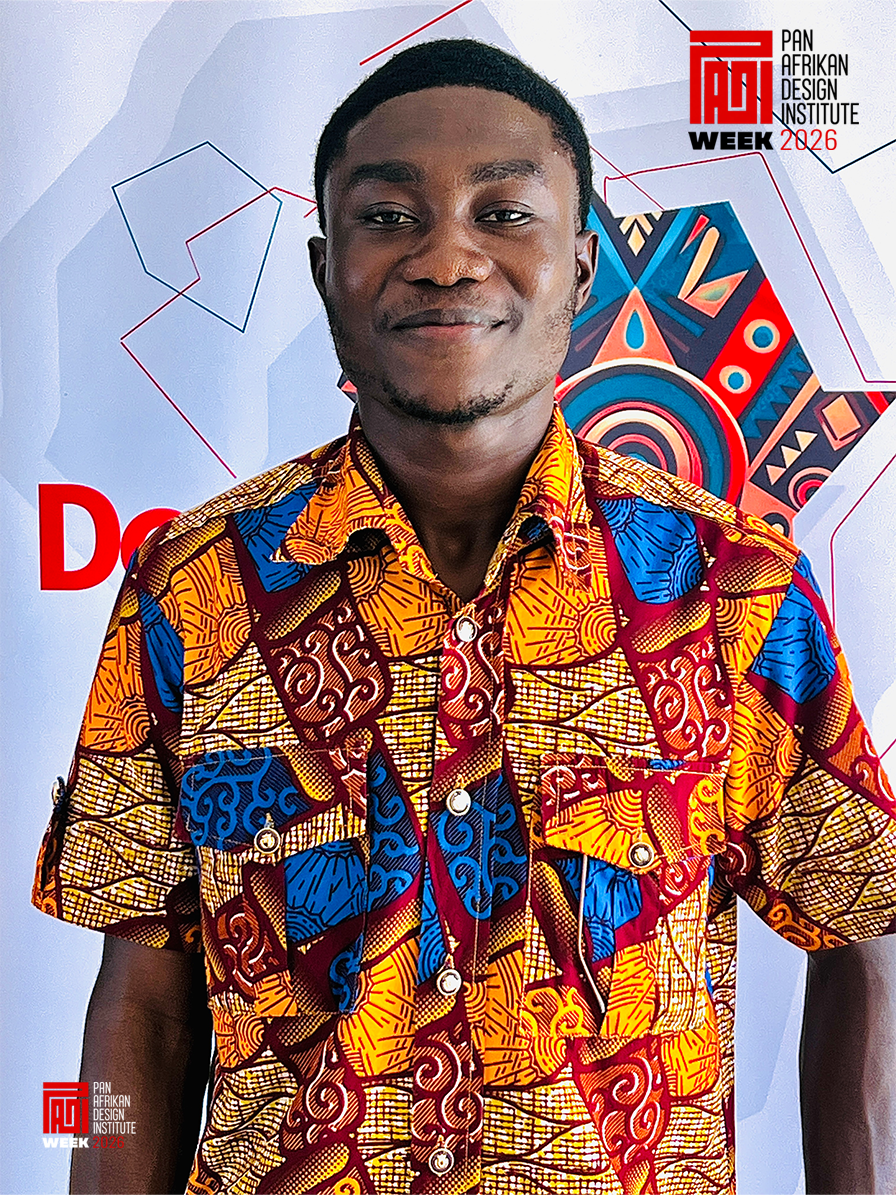 Discussions on who gets to shape the future of design also pointed to the need for inclusion and representation. African designers have an important role in shaping design narratives that reflect the continent’s cultures, experiences and challenges, and in ensuring African perspectives are part of global conversations on the future of design.
For DeCoDe, KNUST, PADW2026 was a valuable opportunity for students to engage with wider views on contemporary design practice and reflect on their responsibilities as emerging professionals. It reinforced the need for curiosity, collaboration, critical thinking and continuous learning.
The participation also shows the department’s commitment to linking classroom learning with broader industry conversations. By engaging with international platforms like PADW, DeCoDe continues to expose students to new ideas and practices that can shape their growth.
In the end, PADW2026 was a reminder that to design to thrive, it takes more than technical skill. It requires curiosity, cultural awareness, and a willingness to understand the world. Through this participation, DeCoDe reaffirmed its commitment to training designers who can think beyond familiar boundaries and contribute meaningfully to Africa’s creative and social development.
Recent News
DeCoDe Participates in Pan Afrikan Design Week (PADW) 2026
Fri 23 Oct 2026